

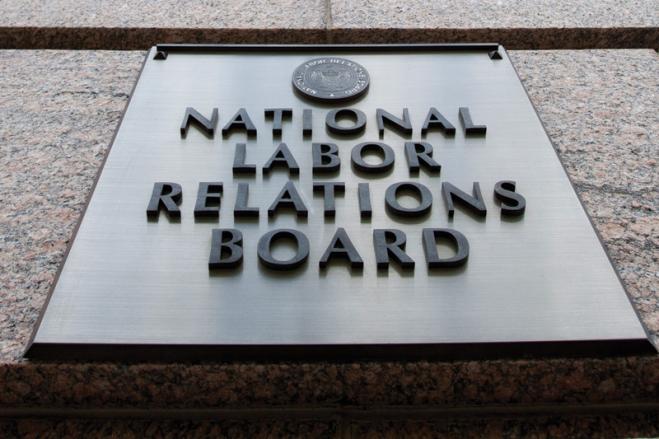
Is commenting on a Facebook post protected, concerted activity under the National Labor Relations Act? What about hitting the “Like” button on a post? The Second Circuit recently agreed with the National Labor Relations Board that they are.
In a decision last year, the Board ruled that a sports bar had unlawfully terminated two employees for their activity on Facebook. The first employee had commented on a status update of a co-worker stating that the bar’s owners “couldn’t even do the tax paperwork correctly” and that someone should do the owners “a favor” and purchase the business from them. The employee’s comment stated that she “owed too,” and referred to one of the owners as an “asshole.” The second employee “liked” the first employee’s status update. The Board held that both employees’ had engaged in protected, concerted activity under the Act, and that the bar had violated the Act when it terminated their employment.
Last month, the Second Circuit (Connecticut, New York, and Vermont) affirmed the Board’s decision. The court held that the employees’ actions amounted to a group of employees discussing labor issues and were protected by the Act. The bar argued that the Facebook comment and “like” were meant to defame the bar – with the use of profanity – and thus brought it outside the protections of the Act. However, the court reasoned that the Facebook activity at issue was different from obscenities voiced by employees in earshot of customers in a crowded shop (even though customers could view the comments on Facebook). The court also noted that the bar’s internet and blogging policy could be read as prohibiting employees from protected activity under the Act.
The take-away here? It’s a good time for employers to review their social media policies. As we have warned in the past, these policies as written and as enforced must not “chill” employees from engaging in protected, concerted activity. There is often a fine-line between lawfully prohibiting certain types of activities on the internet and unlawfully interfering with employees’ protected activity. It’s a good idea to check with counsel on how to best craft the wording of these policies to protect the employer’s interests while not interfering with employees’ rights.

 As fall approaches and students head back to school, The Employment Lawyers are taking a look back and a look ahead at issues in labor and employment law. Join us for an informational webinar to review developments over the past year and discuss tips to keep your workplace practices current in the coming year.
 The EEOC has confirmed its position that Title VII prohibits discrimination against employees based on sexual orientation. The EEOC’s statement followed on its prior determination that Title VII protects individuals against discrimination based on transgender status, gender identity, and an employee’s transitioning between genders. According to the EEOC, sexual orientation bias is “associational discrimination on the basis of sex.” Thus, employees who work for an employer with 15 or more employees can file a charge of sex discrimination with the EEOC if the employee has been discriminated against because of sexual orientation or gender identity or expression.


 The Employment Lawyers